


Business networking for founders UK works best when you stop treating it like collecting business cards and start treating it like building a referral engine. Over 70% of B2B decision-makers prefer to work with providers introduced through trusted connections rather than cold outreach (B2B buyer research, Moneypenny 2026). That single stat is why the founders who win aren’t the loudest in the room, they’re the most connected.
Most networking advice is generic and dated. It tells you to “get out there” and “be yourself” without explaining what actually moves deals. This guide is different. Below are 9 strategies that produce referrals, partners, and paying clients, plus what to do if you’re building a UK business from outside the UK.

Why networking matters more than ever for UK founders
Cold outreach is getting harder. Inboxes are full, response rates are falling, and buyers are sceptical. Meanwhile, a warm introduction still cuts through. When someone your prospect trusts vouches for you, you skip the trust-building phase entirely.
The UK has over 4.4 million self-employed people and millions of small businesses. That’s a huge pool of potential partners, clients, and mentors. The catch: the quality is uneven. Plenty of events are a waste of an evening. Knowing which rooms to enter matters as much as showing up.
For non-UK residents, there’s an extra layer. Having a registered UK Ltd company significantly increases your credibility at UK networking events and with potential clients and partners. A “UK Ltd” after your business name signals you’re a real, accountable operator, not someone messaging from an unverified profile. That perception opens doors before you’ve said a word.
9 business networking strategies for UK founders that actually work
1. Get your UK company structure right first (credibility before the room)
Walking into a UK networking event as “a guy with an idea” gets you polite nods. Walking in as the director of a registered UK limited company gets you follow-up meetings. Structure is credibility.
Before you spend a single evening networking, sort the basics: a registered company, a proper business address, and a business bank account. If you’re a non-resident, this is where LaunchPad earns its place, giving you company setup and Wise banking from a low entry price so you can trade and network as a legitimate UK business.
Two things worth reading before you file: our guide on how to register a company in the UK, and the difference between your company name and trading name, because the name people meet you under should match the brand you promote.
2. LinkedIn as a networking multiplier: how to do it right in 2026
LinkedIn is still the top B2B networking platform, and it’s your best bet for building a UK network from anywhere in the world. But most founders use it wrong. They connect, then pitch immediately. That kills the relationship.
Do this instead:
- Fix your profile first. Your headline should say what you do for whom, not “Founder | Entrepreneur | Visionary”.
- Post 2 to 3 times a week about problems you solve, not features you sell.
- Comment thoughtfully on posts from people you want to meet. Get on their radar before you ever send a request.
- Send connection requests with a specific, human note. Reference something they posted.
- Wait. Give value before you ask for anything.
For non-residents, LinkedIn is a level playing field. Nobody sees your postcode. They see your ideas and your track record.
3. Join a structured UK founder community (not just open Facebook groups)
Open Facebook groups are noisy and mostly people selling to each other. Curated founder communities are different. They vet members, keep the signal high, and create genuine peer relationships.
Structured communities give you three things open groups can’t: accountability, warm introductions from members who actually know you, and honest feedback from people at your stage or ahead of you. That’s where the real deals get made.

4. Attend sector-specific UK startup events (not generic mixers)
A generic “business networking” mixer puts you in a room with insurance brokers, mortgage advisers, and MLM sellers. A sector-specific event puts you in a room full of your ideal clients and partners.
If you run a SaaS company, go to SaaS and tech events. If you’re in e-commerce, go to retail and DTC meetups. The conversations are sharper, the introductions are relevant, and the follow-ups convert. Quality over quantity, every time.
5. BNI and chamber of commerce: when they’re worth it, when they’re not
BNI (Business Network International) runs weekly referral groups where one member per profession gets a seat. It works well for local service businesses (accountants, solicitors, trades) that thrive on steady local referrals. It’s a real time commitment though, usually a weekly early-morning meeting.
Chambers of commerce (the British Chambers of Commerce network) are good for local credibility, introductions, and business support. Worth it if you serve a specific UK region.
When they’re not worth it: if you sell nationally or globally, if your clients aren’t local, or if you can’t commit to regular attendance. Non-residents especially should think twice before joining a group that expects weekly in-person presence.
6. Online communities and Slack groups built for your niche
Niche Slack and Discord communities are growing fast, and they’re perfect for founders who can’t be in London every week. Find the one for your industry, join, and become a genuine contributor.
The rules are simple:
- Answer questions in your area of expertise before you ask for anything.
- Share useful resources, not links to your product.
- DM people who post interesting things, and start a real conversation.
- Show up consistently so people recognise your name.
Online business networking in the UK is now genuinely effective. For non-residents, it removes the geography problem entirely.
7. Warm outreach after events: the 24-hour follow-up rule
Here’s the biggest reason founders waste money on networking: they don’t follow up. You meet ten interesting people, then go home and do nothing. Two weeks later they’ve forgotten you.
Follow up within 24 to 48 hours, every time. A short message works:
- Reference the specific thing you talked about.
- Add one piece of value (an article, an intro, an answer to their problem).
- Suggest a clear, low-pressure next step (a 20-minute call, a coffee, a LinkedIn connection).
This one habit will outperform every other tactic on this list. Most founders skip it, which is exactly why it works so well for the ones who don’t.
8. Speaking, guesting, and content: networking at scale
The fastest way to meet people at scale is to be the person on stage or on the mic. Speak at events. Guest on podcasts in your niche. Write posts that solve real problems. When you’re the expert, people come to you, and the introductions flow inward instead of you chasing them.
You don’t need a huge platform. A guest slot on a niche podcast with 2,000 engaged listeners can produce more qualified conversations than months of cold outreach. Content compounds. Every piece keeps working while you sleep.
9. International founder networks for non-UK residents building UK businesses
If you’re outside the UK, you’re not limited to UK-only networks. Global founder communities, accelerator alumni groups, and international startup Slack channels all connect you to people building UK businesses from abroad. Many of them have been exactly where you are.
Pair that with the credibility of a properly set-up UK company. A digital business benefits from something like the Digital Pro Suite, which adds Tide banking, an enhanced address, and support so you present as a serious UK operator. And if you’re scaling with VAT and accounting needs, ScaleUp covers the extras that come up once your network starts producing real revenue.
New to the process? Start with our full breakdown of UK company registration, then compare options across all Launchese plans.
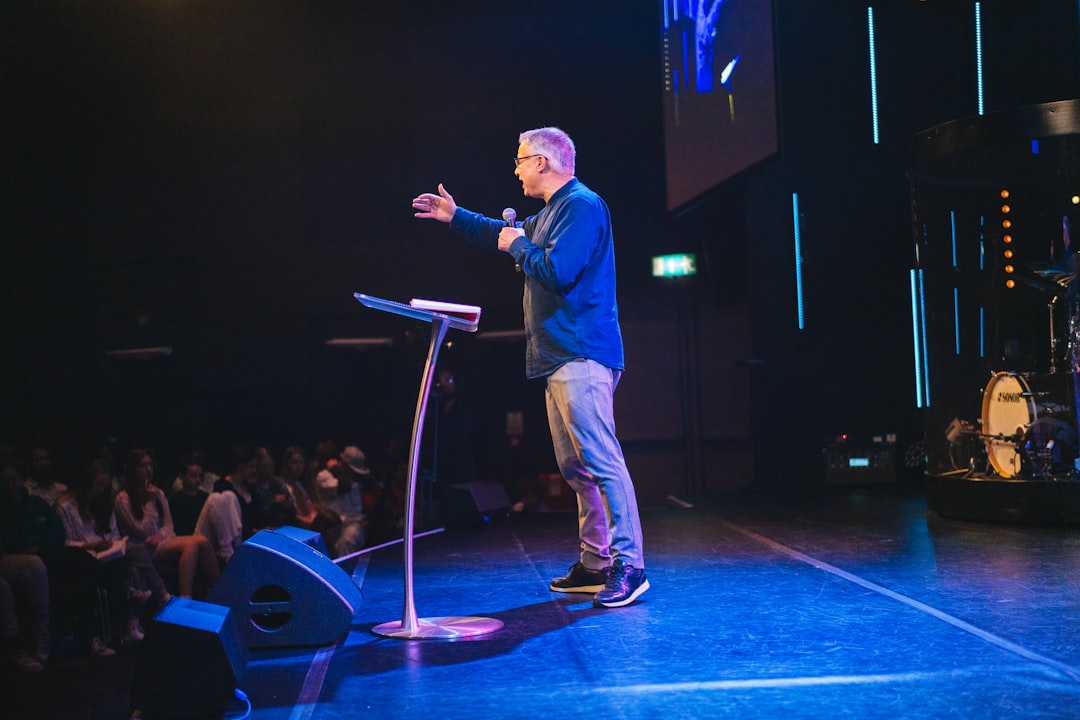
Best UK networking groups and communities for founders (2026)
These are the ones worth your time, depending on your stage and goals:
| Community | Best for |
|---|---|
| Enterprise Nation | Small business owners and early-stage founders wanting practical support and events |
| British Chambers of Commerce | Local credibility, regional introductions, and business support |
| BNI | Local service businesses relying on structured weekly referrals |
| Tech London Advocates | Tech founders and the wider London tech ecosystem |
| EO UK (Entrepreneurs’ Organization) | Established founders seeking peer learning and accountability |
| Helm | Curated network of 400+ members, focused on £1m+ revenue founders |
| Founders Forum | Events-based networking with high-calibre founders and investors |
Pick one or two that match where you are now. Trying to be everywhere means you’re effective nowhere.
Common networking mistakes UK founders make
Avoid these and you’ll already be ahead of most people in the room:
- Pitching too early. Nobody wants a sales pitch 30 seconds after meeting you. Build rapport first. Ask about them.
- Not following up. The single most common failure. See strategy 7.
- Attending the wrong events. A generic mixer full of sellers is not your audience. Go where your clients and partners are.
- No clear elevator pitch. If you can’t explain what you do in one sentence, people can’t refer you.
- Only taking, never giving. Networking is a two-way street. Offer introductions and help before you ask.
How to measure whether your networking is working
Networking isn’t a vibe, it’s an activity with outcomes. Track it like any other channel:
- Referrals received: how many warm introductions came through your network this quarter?
- Partnerships formed: collaborations, joint projects, or supplier relationships that started at an event or in a community.
- Revenue influenced: deals where a connection played a role, even if they weren’t the direct buyer.
- Follow-up rate: the percentage of new contacts you actually followed up with (aim for 100%).
If a group or event produces nothing after three or four attempts, drop it and put that time somewhere better. Ruthless focus beats scattered effort.
For more on how buyers make decisions through trusted relationships, the Moneypenny B2B buyer research is a useful reference point, and it backs up why the follow-up habit matters so much.
Once your network starts producing income, make sure your banking can keep up. Our Wise business account review covers what to expect when payments start flowing in from partners and clients across borders.
FAQ
What is the best networking event for founders in the UK?
There’s no single best event. Founders Forum and Tech London Advocates are strong for tech and high-growth founders, Enterprise Nation suits early-stage small businesses, and sector-specific meetups beat generic mixers because everyone in the room is relevant to your business.
Is online networking as effective as in-person for UK founders?
Yes, often more so for non-residents. LinkedIn is the top B2B platform and niche Slack communities are growing fast. Online networking removes geography as a barrier, and consistent, genuine contribution can produce as many warm introductions as in-person events.
How do I network as a non-UK resident with a UK company?
Lead with your registered UK Ltd company, which adds real credibility. Use LinkedIn and niche online communities heavily, join international founder networks, and attend virtual UK events. A properly set-up UK company plus consistent online presence lets you build a UK network from anywhere.
How often should I attend networking events?
Consistency matters more than volume. Committing to one or two well-chosen groups or events per month, and following up with everyone you meet, beats attending ten random events and never following up. Track referrals and drop anything that produces nothing after three or four tries.
What should I say at a networking event?
Have a one-sentence explanation of what you do and for whom. Then ask more than you talk. Focus on understanding their business before mentioning yours, and never pitch in the first minute. Rapport first, business second.