


What investors look for in a startup UK comes down to a few clear signals: a credible founding team, a real problem worth solving, a clean share structure, and eligibility for SEIS or EIS tax relief. Get those right before you incorporate and you make an angel’s decision easy. Get them wrong and even a strong idea stalls at the term sheet stage.
This guide is written for non-resident founders planning to form a UK limited company and raise pre-seed or seed funding in 2026. Every point below is something UK angels and micro-VCs check before they wire money.
Why Investors Care About What Happens Before You Incorporate
Early-stage investors are backing a company that barely exists. There’s no revenue to model, no five-year track record. So they judge the things that are already visible: who you are, how clearly you’ve defined the problem, and whether the legal structure lets them invest at all.
The British Business Bank has reported that pre-seed deal activity has climbed year on year since 2022, with angels and micro-VCs driving the majority of early rounds. That’s good news for first-time founders. It also means more competition for attention, so preparation matters more than ever.
Typical UK pre-seed rounds land between £50k and £500k. Here’s roughly who writes what:
- Angel investors: £10k to £100k per cheque
- Micro-VCs: £50k to £250k
- Accelerators: £20k to £150k, usually for 5-10% equity (think Techstars, Entrepreneur First, Antler)
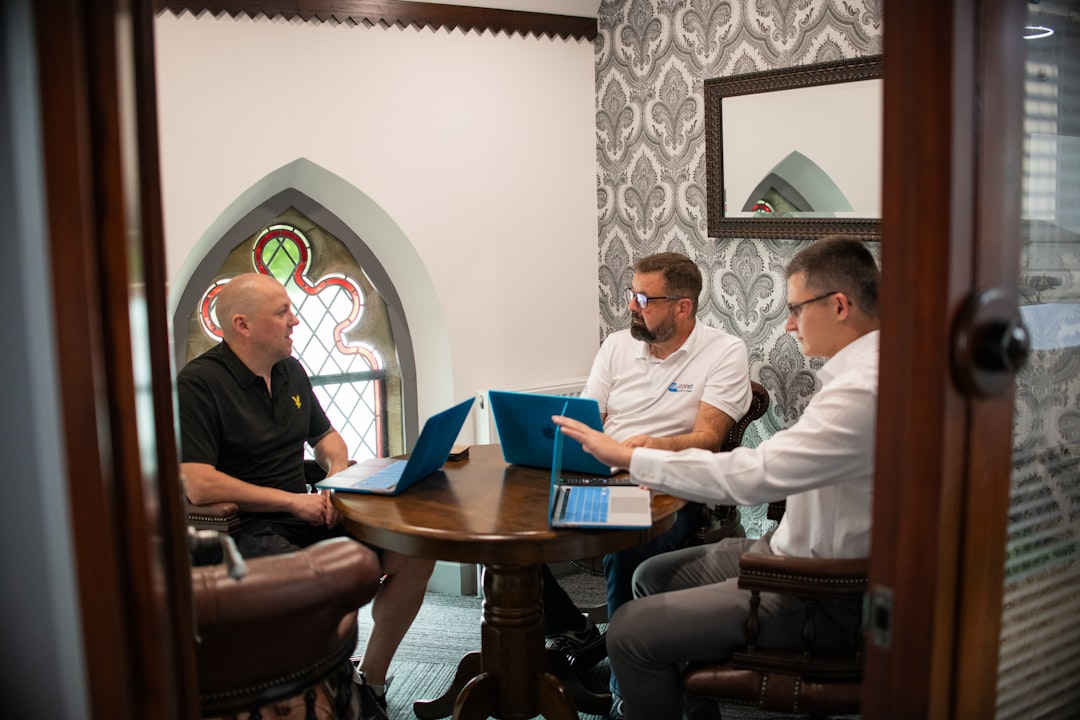
1. The Founding Team: What Angels and VCs Actually Evaluate
At pre-seed, you are the product. Investors read the team slide before anything else. They want to know you can build, sell, and survive the two years it takes to prove the idea.
What they check:
- Relevant experience: have you worked in this space or shipped something before?
- Complementary skills: a technical founder plus a commercial founder beats two of the same.
- Commitment: are you full-time, and do you have runway to stay full-time?
- Coachability: can you take feedback without getting defensive?
Solo founders can still raise, but expect harder questions about how you’ll cover the gaps. If you have a co-founder, sort out equity and roles in writing early. That leads directly to the next problem most first-timers underestimate.
2. Problem Clarity and Early Market Validation
A sharp problem statement beats a flashy solution. Investors want to hear who has the pain, how badly, and what they currently do instead. Vague answers (“everyone will love this”) signal you haven’t spoken to enough people.
Show early validation even before revenue:
- Customer interviews with real quotes and numbers
- A waitlist, pre-orders, or a landing page with sign-ups
- Letters of intent from potential B2B buyers
- A prototype or MVP people actually use
None of this needs a company to exist yet. You can validate for months before you file. But the moment you want to accept equity money, structure becomes the bottleneck.
3. A Planned Share Structure (Before You File)
A cap table is the record of who owns what percentage of your company. It lists founders, any early advisors, and (later) investors. Even at pre-incorporation stage you should sketch it, because the split you file with can follow you for years.
Why it matters before day one: once shares are issued, changing them means paperwork, agreement, and sometimes tax consequences. A messy or lopsided cap table can derail a round because investors worry about who’s motivated and who owns too much for the work they do.
Common founder equity split mistakes
- 50/50 with no tie-breaker: deadlock risk that scares investors.
- Giving too much to a passive founder: the person who leaves early keeps a chunk that should reward future work.
- No vesting: without vesting, a co-founder can walk after three months and keep 30%.
- Handing advisors large equity for vague promises.
Read our UK company shareholders guide before you decide splits. It covers share classes and voting rights in plain terms.
4. SEIS and EIS Eligibility: The Tax Relief That Drives Angel Investment
This is the single biggest reason UK angels back early companies, and it’s why your pre-incorporation choices matter so much. The Seed Enterprise Investment Scheme (SEIS) and Enterprise Investment Scheme (EIS) give investors generous income tax relief for backing risky early companies. Qualify, and you become far more attractive.
SEIS in 2026/27
- 50% income tax relief for investors on up to £200,000 invested per year
- Your company can raise up to £250,000 total under SEIS
- Gross assets must be under £350,000
- Under 25 employees
- Trading for less than 3 years
EIS in 2026/27
- 30% income tax relief on up to £1,000,000 invested per year
- Your company can raise up to £12,000,000
- Gross assets must be under £15,000,000
- Under 250 employees
From April 2026 the qualifying limits increased, widening the pool of companies that can use both schemes. Full eligibility rules are on the HMRC venture capital schemes guidance.
Advance assurance: free and worth getting
Advance assurance is a letter from HMRC saying your company looks likely to qualify. It’s free, and most angels expect to see it before they commit. According to HMRC’s official May 2026 EIS/SEIS statistics, 4,085 SEIS advance assurance applications were received in 2025/26, up 24% on the prior year, with 76% approved.
Translation: demand is rising, most applicants get the green light, and having that letter in hand removes a major objection from the investor’s mind. You apply after incorporation, so getting the company set up correctly comes first.

5. Incorporation: The Non-Negotiable First Step for Equity Investment
You cannot raise equity as a sole trader. Equity means shares, and shares need a company to issue them. There’s simply nothing to sell an investor until you incorporate.
A UK private limited company (Ltd) is the structure investors expect. It supports share issues, SEIS/EIS, a clean cap table, and standard shareholder agreements. UK VCs and angels have done thousands of deals on this template, so it removes friction from every conversation.
Good news for founders outside the UK: you can incorporate a UK Ltd without UK residency or a personal UK address. You do need a registered office address in the UK, which formation providers supply. Our step-by-step guide to registering a company in the UK walks through the whole process.
If cost is your priority, LaunchPad is the cheapest way to get a UK company and registered address as a non-resident. Digital and online businesses often prefer the Digital Pro Suite for the enhanced address and banking options. You can compare all plans here. And if you’re still deciding on jurisdiction, here’s why founders keep choosing the UK in 2026.
6. A Business Bank Account
Investors want to send money to a company account, not a personal one. A dedicated business account keeps founder finances clean, makes SEIS/EIS reporting straightforward, and signals you’re running a real company.
For non-residents this used to be the hardest step, but options like Wise and Tide have made it far easier. See our Wise Business Account review for how it performs for startups. The ProLaunch package bundles more banking and payment partners if you want extra options from day one.
Open the account before you raise. Waiting until an investor is ready to wire funds creates awkward delays that can cool a warm lead.
7. The Pitch Materials Investors Expect
When you approach angels, they’ll ask for a standard set of documents. Have them ready before you start conversations, not after.
| Document | What it does |
|---|---|
| Pitch deck (10-15 slides) | Problem, solution, market, team, traction, ask |
| Financial model | 3-year projection showing how the money gets used |
| Cap table | Current ownership and post-raise dilution |
| Founder agreements | Roles, vesting, decision rights |
| IP assignment | Confirms the company owns the code and brand |
The IP assignment catches many first-timers. If you built the product before incorporating, assign that IP to the company in writing. Investors won’t fund a company that doesn’t own its own product.

Pre-Incorporation Checklist: 7 Things to Do Before You Raise
Work through this list in order. Each step makes the next investor conversation smoother.
- Validate the problem with real customer conversations and early demand signals.
- Agree founder equity and vesting in writing before you file.
- Sketch your cap table so you know the split you’re incorporating with.
- Incorporate a UK Ltd (non-residents can do this without a UK address).
- Open a UK business bank account in the company name.
- Apply for SEIS advance assurance from HMRC. It’s free and the majority of applicants are approved.
- Prepare pitch materials: deck, model, cap table, agreements, IP assignment.
Once you’re trading and need VAT, bookkeeping, or ongoing compliance, our accounting and bookkeeping service keeps your numbers investor-ready.
FAQ
What do investors look for in a startup UK before they invest?
A credible founding team, a clearly defined problem with early validation, a clean cap table, a UK Ltd company that can issue shares, and SEIS or EIS eligibility with advance assurance in hand.
Do I need to incorporate before raising equity?
Yes. Equity means shares, and only a company can issue shares. A UK private limited company is the structure UK angels and VCs expect.
Can a non-resident founder incorporate a UK company?
Yes. You can form a UK Ltd without UK residency or a personal UK address. You need a UK registered office address, which formation providers supply.
What is SEIS advance assurance and do I need it?
It’s a free letter from HMRC confirming your company looks likely to qualify for SEIS. It’s not legally required, but most angels expect it. HMRC received 4,085 applications in 2025/26 and approved 76%.
How much do UK pre-seed rounds usually raise?
Typically £50,000 to £500,000. Angels invest £10k to £100k, micro-VCs £50k to £250k, and accelerators £20k to £150k, often for 5-10% equity.
What are the main founder equity split mistakes?
Splitting 50/50 with no tie-breaker, giving too much to a passive founder, having no vesting, and handing advisors large equity for vague promises.


