


Companies House accounts filing changes 2028 are now confirmed, and if you run a UK limited company, the way you file your annual accounts is about to change. These reforms affect almost every company on the register, including the thousands of international founders who run a UK Ltd from abroad.
The short version: paper and online “web” filing for accounts is going away, software filing becomes the only option, and small companies and micro-entities will have to file a profit and loss account for the first time. There’s good news too. You have 21 months to get ready, and there’s a way to keep your profit figures off the public register.
We’ve broken down exactly what’s changing, when, and the practical steps to take now so the 2028 deadline doesn’t catch you out.
What the Companies House accounts filing changes 2028 mean
These reforms come from the Economic Crime and Corporate Transparency (ECCT) Act 2023. The goal is to make the data on the public register more accurate and harder to abuse for fraud. After a pause and a long consultation with businesses, the government has confirmed it’s going ahead. Here’s what that means in practice.
1. Accounts must be filed using commercial software
From 1 April 2028, Companies House will close its web and paper routes for accounts filings. Every company will need to file its annual accounts through compatible commercial software, in the iXBRL format that software produces automatically.
This is the change with the widest reach. If you currently type your figures into the Companies House WebFiling service, post paper accounts, or use the old “joint filing” tool, that option ends. The rule applies whether you file the accounts yourself or your accountant files them for you.
To be clear, this is about accounts. Other filings, like your confirmation statement and changes to director details, are expected to stay available through the usual routes.
2. Small companies and micro-entities must file a profit and loss account
Right now, many small companies and micro-entities file “filleted” or abridged accounts and keep their profit and loss (P&L) figures private. From April 2028, that changes: small companies and micro-entities will need to file a profit and loss account with Companies House, like larger companies already do. The option to file abridged accounts is also being removed.
This is a meaningful shift if you’ve been used to filing the bare minimum. Your numbers will need to be prepared and submitted in full.
3. A few smaller technical changes
The reforms also include some smaller technical amendments to what companies report and how. Your software provider or accountant will handle most of these in the background, but it’s worth knowing the details of what counts as a “small” or “micro” company may matter more than it used to.
When does it happen, and why did the date move?
The headline date is 1 April 2028. Originally, these reforms were lined up for April 2027, but the government postponed them by a year after businesses raised concerns about the time needed to prepare.
That postponement is genuinely useful. Companies House describes the runway as one full accounting year plus nine months, 21 months in total from the June 2026 announcement. The idea is that you go through at least one complete accounting cycle under the new expectations before the rules become mandatory.
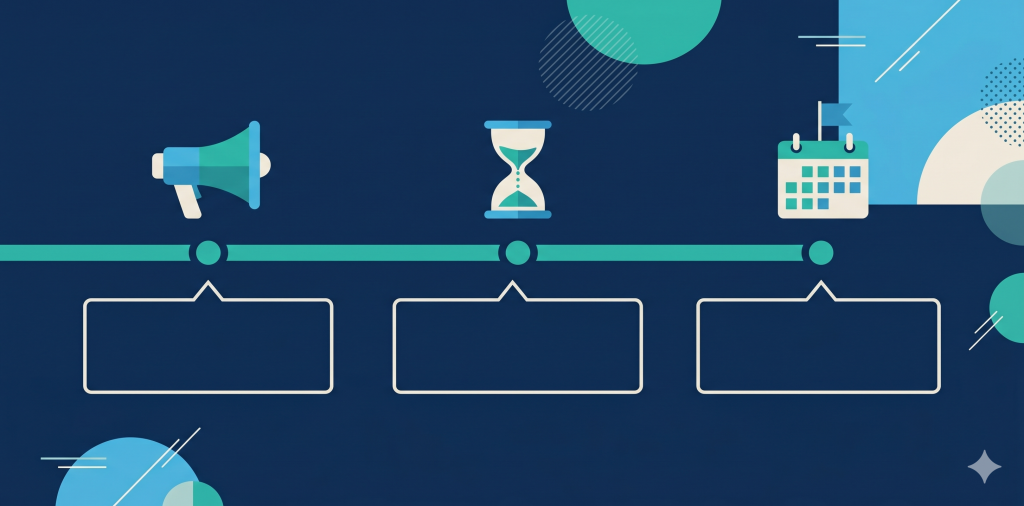
Here’s the simple timeline:
- June 2026: Companies House confirms the final plan and starts contacting registered companies.
- Now until April 2028: A 21-month window to move to software filing and get your accounts in order.
- 1 April 2028: Software-only accounts filing begins. Web and paper routes for accounts close.
The profit and loss “opt-out” explained
The new P&L requirement worried a lot of small business owners, for understandable reasons. Many founders don’t want competitors, suppliers, or customers seeing their margins and turnover on a free public website.
So the government added a concession. Small companies and micro-entities will be able to opt out of publishing their profit and loss account on the public register. You’ll still file the P&L with Companies House, but you can choose to keep it off public view.
Two things to keep in mind. First, “opt out of publishing” is not the same as “don’t file.” You still have to submit the figures. Companies House, HMRC, and law enforcement will still be able to see them to help tackle fraud and tax evasion. Second, Companies House has said the exact process for opting out will be confirmed closer to the time, so this is one to watch.
What you need to do now
Getting ready for the Companies House accounts filing changes 2028 is mostly about moving to software filing in good time. You don’t need to do everything today, but the founders who start early will have the smoothest transition. Use this as your checklist.
If you already file through accounting software or an agent (like Launchese), you may not need to do much. Most modern software already files in the required format. The smart move is simply to confirm with whoever handles your filings that you’re covered.
If you currently file by paper, WebFiling, or spreadsheets, plan to switch. Here’s the path Companies House recommends:
- Know what type of accounts you file. Micro-entity, small, dormant, full? If you’re not sure, ask your accountant. It affects which software you need.
- Find your company authentication code. You’ll need it to file. If you’ve lost it, request a new one early.
- Set up a presenter account with Companies House if you don’t file through an agent.
- Choose compatible software. Companies House has a tool that lists software packages for different filing needs, or your accountant can recommend one.
- Talk to your software provider or accountant and move to software filing sooner rather than later, so you’re comfortable well before the deadline.
- Be ready to file by 1 April 2028. Don’t leave it to the accounting period that straddles the deadline.
For international founders especially, the combination of “software-only” and “P&L now visible” makes having a reliable UK-based filing partner more valuable than before. If your accounts have always been handled for you, this may simply be a non-event. If you’ve been doing it yourself from overseas, now is a good time to put proper support in place.
What this means for international founders

The Companies House accounts filing changes 2028 land a little differently when you run your company from abroad. Most of our community runs a UK company from outside the UK. A few points are worth flagging if that’s you.
You can’t rely on posting paper accounts from abroad as a fallback after April 2028; that route closes. You’ll want everything running through software well before then. And because your P&L will need to be filed (even if you opt out of publishing it), keeping clean, software-ready bookkeeping throughout the year matters more than ever. The days of pulling numbers together at the last minute are ending.
Time zones and distance also make the “do it yourself the night before the deadline” approach risky. If something goes wrong with the software at 2am your time, there’s no Companies House counter to walk into. A partner who files on your behalf removes that single point of failure. None of this changes your ability to run a UK company remotely. It just means the admin moves fully digital, which, if anything, suits founders who already run everything online.
5 mistakes to avoid before the 2028 deadline
The reforms are simple enough, but a few avoidable slip-ups trip founders up. Watch for these.
1. Assuming nothing applies to you because your company is dormant or tiny. Micro-entities and dormant companies still file accounts, so the software-only rule still reaches you. Confirm how your dormant or micro accounts will be filed.
2. Leaving the switch until the accounting period that crosses the deadline. Move to software filing during a clean, completed period so you’re not learning a new process and hitting a hard deadline at the same time.
3. Losing track of your authentication code. Without it, you can’t file or authorise an agent to file for you. Locate it now, and request a replacement early if it’s missing.
4. Confusing “filing accounts” with “filing everything.” Only accounts move to software-only in 2028. Your confirmation statement and director updates are expected to continue as normal, so don’t panic-change processes that aren’t affected.
5. Forgetting that your P&L still has to be prepared. Opting out of publication keeps your numbers off the public website, but the figures still need to be ready and filed. Good year-round bookkeeping is the real fix.
If you’d rather not track all of this yourself, that’s exactly the kind of admin a compliance partner takes off your plate.
Frequently asked questions
Do I have to file my company accounts with software from 2028?
Yes. From 1 April 2028, Companies House is closing its web and paper routes for accounts, so annual accounts must be filed using compatible commercial software. This applies whether you file yourself or use an accountant or agent.
Will small companies have to show their profit and loss on the public register?
Small companies and micro-entities will have to file a profit and loss account from April 2028. However, they will be able to opt out of publishing it on the public register. The figures are still filed and remain visible to Companies House, HMRC, and law enforcement.
When do the Companies House accounts filing changes 2028 start?
1 April 2028. The reforms were moved back from the original April 2027 date to give companies a full accounting year plus nine months, about 21 months, to prepare.
I use an accountant. Do I need to do anything?
Possibly nothing. Many accountants and filing agents already use software that meets the new requirements. The safest step is to check with your accountant or agent now and confirm they’ll handle the transition for you.
Is Companies House WebFiling closing completely?
No. WebFiling is closing for accounts only. Other statutory filings, such as your confirmation statement and updates to company details, are expected to remain available through the usual routes.
The bottom line
The Companies House accounts filing changes 2028 are a real shift, but they’re manageable, and you have time. Software-only filing, mandatory P&L for small companies, and the closure of paper and web routes are all confirmed for 1 April 2028. The two concessions, the P&L publishing opt-out and the extra year to prepare, take a lot of the sting out.
The founders who’ll barely notice the change are the ones whose accounts are already handled through software by a reliable partner. If that’s not you yet, the next 21 months are the time to fix it.
Launchese helps over 10,000 founders from 100+ countries run their UK companies, including staying on top of filings and compliance. If you’d like a hand getting your accounts software-ready before 2028, explore our Compliance plans or book a free call and we’ll talk through your setup.
Sources: Companies House, changes to accounts filing from April 2028 (GOV.UK) and the official Companies House update to registered companies (June 2026). This article is general information and not legal, accounting, or tax advice. Please confirm your own company’s requirements with a qualified professional.